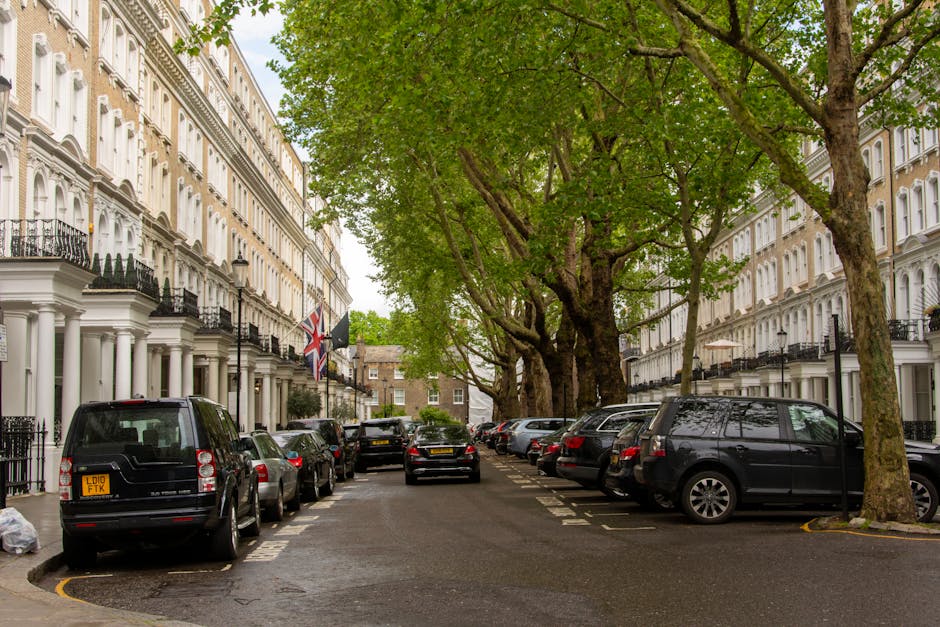
Belgravia House Removals Parking Tips Eaton Place Westminster
If you are planning a move in Belgravia, parking is rarely a small detail. It is often the detail that decides whether the day feels calm or chaotic. These Belgravia house removals parking tips Eaton Place Westminster are designed to help you think ahead, avoid awkward delays, and keep the move flowing from the first box to the last. Eaton Place is elegant, busy, and not especially forgiving when a van is left to improvise. That is exactly why a little planning goes such a long way.
In this guide, you will find practical advice on access, loading space, timing, vehicle choice, and the small decisions that make a big difference on moving day. We will also cover common mistakes, a useful checklist, and a realistic example of how a well-organised move can work in a central London setting. No fluff. Just the stuff that helps.
For readers who are also comparing moving support, you may find it useful to explore house removals, house movers, or a flexible man and van option depending on the size of the property and the access available.
Table of Contents
- Why Belgravia house removals parking tips Eaton Place Westminster Matters
- How Belgravia house removals parking tips Eaton Place Westminster Works
- Key Benefits and Practical Advantages
- Who This Is For and When It Makes Sense
- Step-by-Step Guidance
- Expert Tips for Better Results
- Common Mistakes to Avoid
- Tools, Resources and Recommendations
- Law, Compliance, Standards, or Best Practice
- Options, Methods, or Comparison Table
- Case Study or Real-World Example
- Practical Checklist
- Conclusion
- Frequently Asked Questions
Why Belgravia house removals parking tips Eaton Place Westminster Matters
Belgravia looks calm from the outside, but moving a household there is a bit of a choreography exercise. Eaton Place and the surrounding streets often have narrow carriageways, controlled parking, resident bays, loading limitations, and occasional pressure from other vehicles, service access, and pedestrians. If the van cannot stop where you expect, every part of the move becomes slower. Boxes are carried further. Furniture is lifted more carefully. Time slips away, and stress does the same thing.
That is why parking advice matters as much as packing advice. A move is not just about getting items out of a house; it is about creating a safe, legal, and workable point of access close enough to the front door. A few extra metres may not sound dramatic, but when you are shifting wardrobes, mirrors, or a heavy sofa up and down steps, it absolutely is. Let's face it, nobody wants to discover at 8:15 in the morning that the best stopping point is already occupied by a delivery van.
There is also a trust angle here. Good parking planning is a sign that the move has been thought through properly. It reduces risk, protects neighbours, and helps the crew work efficiently. That is especially important in Westminster, where a poorly parked vehicle can create avoidable tension in a very short time.
How Belgravia house removals parking tips Eaton Place Westminster Works
In simple terms, the process is about matching three things: the property, the vehicle, and the street conditions. If those three line up, the move tends to feel smooth. If they do not, you get delays, extra carrying distance, or last-minute reshuffling. On a street like Eaton Place, that means thinking about where the van can legally stop, how long it can stay, whether access is one-way or tight, and whether the move needs a smaller vehicle rather than a full-size truck.
A good plan normally starts before move day. You check the building access, note the width of the road, estimate the amount of kerb space needed, and decide whether you will need short-term loading only or a longer parking arrangement. For many house moves, the right answer is not "park anywhere nearby"; it is "park strategically, as close as possible, and keep the route clear."
In practice, that may mean booking a smaller vehicle for part of the move, staggering collections, or choosing a team that understands central London access. If the move involves several floors, narrow entrances, or fragile items, careful parking becomes even more valuable because it reduces handling time. If you are comparing transport styles, a moving van can be a better fit than a larger lorry on streets where every metre matters, while removal van services can suit access-heavy jobs where flexibility is the priority.
One small but important point: parking is not just about the vehicle. It is also about the timing of the actual lift. If everyone arrives at once, the doorway clogs. If the van is waiting in the right place before lifting starts, the whole day feels more controlled. Simple, but easy to get wrong.
Key Benefits and Practical Advantages
Good parking preparation may not sound glamorous, but it pays off in very real ways.
- Less carrying distance: The closer the van can stop, the less time is spent walking heavy items back and forth.
- Reduced risk of damage: Shorter carrying routes usually mean fewer bumps, scrapes, and awkward turns through hallways.
- Better time control: A tight moving schedule is easier to manage when the parking position is already sorted.
- Less neighbour friction: A tidy, legal setup is simply easier for everyone living nearby to live with.
- More efficient crew work: Movers can keep momentum when they do not need to keep hunting for a better place to stop.
There is a psychological benefit too. Once parking is under control, the day tends to feel more manageable. People relax a little. The kettle gets put on. Boxes stop feeling like a wall of unknowns. It sounds minor, but it matters.
If you are arranging a broader home move, you may also want to look at home moves and removal services to make sure the transport plan fits the property, the schedule, and the access on the day.
Who This Is For and When It Makes Sense
This advice is for anyone moving in or around Eaton Place, Belgravia, especially if the property sits on a street where parking is limited or controlled. It is useful if you are:
- moving from a townhouse or apartment with restricted access
- using a van for a single-day household move
- bringing in removal crews, packing teams, or porters
- moving fragile, bulky, or high-value items
- trying to avoid holding up neighbours or building access
- working to a fixed handover time, which is often the awkward bit
It also makes sense if you have elderly family members, children, or pets involved. In those cases, less doorstep congestion is just easier for everyone. Truth be told, if you have ever tried to shepherd a cat past an open door while a wardrobe is being turned sideways, you already know why this matters.
For larger or more complex jobs, it may be worth comparing a dedicated removal company with a more compact man with van arrangement. The better choice depends on access, volume, and how much help you actually need on the day.
Step-by-Step Guidance
1. Assess the street and the building access first
Before you book anything, walk the route from the front door to the street. Look at the width of the pavement, the slope of the road, the position of gates or railings, and any awkward corners. If you can, take a few photos. Old London streets can look simple until you try to reverse a van into them.
2. Estimate the size of vehicle you really need
Do not automatically choose the biggest vehicle available. In Belgravia, a smaller van can sometimes be faster and easier to position than a larger truck. If your move is substantial, though, a larger vehicle may still reduce the number of trips. It is a trade-off. If you are unsure, compare a moving truck against a more manoeuvrable option and think about the street first, not just the contents.
3. Decide whether loading access or longer parking is needed
Some moves only need a short kerbside stop. Others need the vehicle to remain in place while multiple loads are carried out. Be clear about which one you need. A short loading window is fine if you are ready. If not, it can create a rush that nobody enjoys.
4. Confirm timings with the movers and the building
Agree on arrival time, loading time, and any access restrictions. If the building has a concierge, porter, or specific lift arrangements, those details should be shared early. The smoother the internal coordination, the less parking pressure builds up outside.
5. Keep a backup plan
Have a second option in mind in case the intended spot is occupied. That might mean a nearby legal loading area, a short wait while the road clears, or a revised order for unloading. A backup plan sounds cautious; in central Westminster, it is just sensible.
6. Prepare the house so the van can load quickly
Boxes should be labelled, furniture should be grouped, and small items should not be scattered through the property. The less time the crew spends hunting through rooms, the less likely it is that parking becomes an issue later in the day.
Expert Tips for Better Results
Here is the practical stuff people often miss.
Start with the street, not the inventory. Most people list their belongings first. Fair enough. But in a place like Eaton Place, the street can decide the move shape before the sofa does.
Choose the right time of day. Early starts can help avoid heavier traffic and reduce competition for stopping space. That said, quieter is not always empty. You still need to check whether the street is already busy with local activity, deliveries, or resident parking patterns.
Leave room for opening doors and ramps. A van parked technically "close enough" may still be awkward if the rear doors cannot open fully or the ramp lands in a slope. A tiny adjustment can save a lot of effort.
Use one person to watch the vehicle and one to manage the house flow. Even on small moves, that separation helps. One person can focus on parking and safety, while another keeps the room-to-van process moving.
Pack the essentials separately. If you need keys, chargers, documents, medication, or refreshments, keep them with you. There is nothing worse than needing a passport or a phone charger and realising it is somewhere underneath the last pile of bedding.
And yes, if the day starts with drizzle and a slightly grumpy street, it can still go well. Central London moving days often begin like that. A little patience helps. A little humour helps too.
Common Mistakes to Avoid
Most moving headaches in Belgravia are not dramatic disasters. They are small avoidable mistakes that stack up.
- Assuming parking will be available: Never leave kerb access to chance in Westminster.
- Choosing a vehicle that is too large: Bigger is not always better if the street is awkward.
- Not sharing building rules early: Lift booking windows, access codes, and concierge rules matter.
- Underestimating walking distance: Fifty metres sounds short until you are carrying a mattress.
- Leaving packing until the last minute: If the van arrives and boxes are still being taped, things get messy fast.
- Forgetting neighbours and passers-by: Keep entrances clear and keep conversation calm. It is a shared street, after all.
Another common one: forgetting to check whether the van can reverse safely or turn without blocking the road. That's a classic central London trap. Not glamorous, but very real.
Tools, Resources and Recommendations
You do not need fancy kit, but a few basic tools make a surprising difference.
- Measuring tape: Useful for checking furniture size, door widths, and tight corridor corners.
- Furniture covers and blankets: These help protect polished surfaces and edges during loading.
- Labels and marker pens: Keep boxes easy to identify so the unloading sequence makes sense.
- Mobile photos of the street and frontage: Helpful when explaining access to movers before the day.
- Floor protection: Especially important in older Belgravia homes where stairs and hallways can mark easily.
If you are still in the planning stage, it can help to review packing and unpacking services alongside your transport choice. For some households, that extra help makes the parking plan easier too, because loading becomes quicker and more orderly.
For budget and booking clarity, it is also sensible to compare pricing and quotes before committing. Not because the cheapest option is always best. It usually is not. But because a clear quote helps you understand what support is included and whether parking or access factors may affect the plan.
Law, Compliance, Standards, or Best Practice
Parking for removals in Westminster should always be treated carefully and lawfully. In plain English, that means you should not assume it is acceptable to stop somewhere just because it is convenient. Local parking restrictions, bay rules, time limits, loading restrictions, and access needs all need to be respected. If you are unsure, check the relevant street conditions before the move and allow time for a proper parking plan.
Best practice in this kind of move is straightforward:
- use only legal stopping points
- avoid blocking pedestrians, neighbours, or emergency access
- keep the loading route as short as possible
- share access information early with your moving team
- make sure anyone helping understands the safety plan
There is also an insurance and safety angle. A responsible removal setup should take account of vehicle positioning, manual handling, and protection of property. If you want to understand how the business approaches this side of the job, the insurance and safety information and the health and safety policy are worth reviewing. They help set expectations before moving day, which is always reassuring.
The main idea is simple: careful parking is part of safe moving, not an afterthought. That sounds obvious, but a lot of trouble starts when it gets treated as optional.
Options, Methods, or Comparison Table
Different moves call for different parking and vehicle approaches. Here is a useful way to think about it.
| Option | Best for | Strengths | Limitations |
|---|---|---|---|
| Smaller van / flexible access | Compact moves, narrow streets, lighter loads | Easier to position, often quicker to park, less street disruption | May require more trips if the load is large |
| Standard removal vehicle | Typical family house moves | Balanced capacity, good for mixed furniture and boxes | Needs more careful planning in tight roads |
| Large truck | Big household moves with substantial volume | Can reduce number of journeys | Harder to manoeuvre, can be less suitable for restricted streets |
| Man and van approach | Smaller moves or part-load jobs | Flexible, efficient, often ideal for short-notice access needs | Less capacity than a full removal setup |
There is no universal winner. On Eaton Place, the best choice depends on access first and volume second. That ordering matters. Really matters.
Case Study or Real-World Example
Imagine a household moving out of a Belgravia townhouse on Eaton Place. The property has a tight entrance, a staircase that bends at the landing, and a moving window that must finish by early afternoon. The family has a sofa, several beds, packed kitchen boxes, and a few delicate mirrors. On paper, it sounds manageable. In reality, the road outside is narrow and already busy with resident cars and deliveries.
A rushed approach might mean the van arrives first, then someone spends ten minutes looking for somewhere legal to stop. The crew starts carrying items from farther away than expected. The entrance gets crowded. Someone asks where the box with the keys is. Not ideal.
A better approach is to plan the vehicle size in advance, arrive early, and keep the front of the property clear. The van parks where it can load safely without blocking the road. The boxes are lined up by room. Fragile items are loaded first while the access is clear. Because the route is short and organised, the crew can keep moving steadily instead of improvising.
The difference is not magic. It is planning. The move still takes effort, because of course it does. But it feels calmer, and that matters on a day when people are already juggling keys, paperwork, and a lot of mixed emotions about leaving home.
Practical Checklist
Use this as a quick pre-move check for Belgravia and Eaton Place.
- Confirm the moving date and arrival time
- Walk the street and check stopping options
- Measure the largest furniture pieces
- Check doorway, stair, and lift access
- Decide whether a van or larger vehicle is more realistic
- Share access details with the moving team
- Prepare labels for boxes and rooms
- Keep essentials separate and easy to reach
- Protect floors, walls, and furniture edges
- Have a backup parking plan in case the first spot is unavailable
- Leave enough time for loading without rushing
- Check any building rules or concierge instructions
If you want a broader move plan rather than just parking advice, pages such as house removalists, removal companies, and removals near me can help you think through the type of support that fits your situation.
Conclusion
Parking may be the least glamorous part of a house move, but in Belgravia it is one of the parts that most directly affects how the day feels. Eaton Place and the surrounding Westminster streets reward planning, precision, and a bit of common sense. If you get the vehicle position right, everything else becomes easier: the lifting, the timing, the neighbour relations, even the mood inside the house.
The best advice is simple. Think about access early. Choose the right vehicle. Keep the route short. And never assume that a convenient stopping spot will magically appear just because moving day has arrived. It usually does not.
When done well, a move in this part of London can feel surprisingly orderly. Not perfect. Real life rarely is. But definitely manageable, and much less stressful than people expect.
Get a free quote today and see how much you can save.
And if you are still planning the details, take your time, breathe, and give the street the respect it deserves. That little bit of care goes a long way.
Frequently Asked Questions
What are the most important parking tips for a house move in Belgravia?
The most important tips are to check legal stopping points in advance, choose a vehicle that suits the street width, and keep the loading route as short as possible. In Belgravia, access planning matters more than people think.
Why is Eaton Place tricky for removals parking?
Eaton Place can be challenging because central London streets often combine limited kerb space, traffic pressure, and strict parking conditions. Even a small delay in finding a spot can affect the whole move.
Should I book a smaller van for a Belgravia house move?
Sometimes, yes. A smaller van can be easier to position on narrow or busy streets. If your load is modest or access is tight, a more compact vehicle can be the smarter choice.
How far in advance should I plan parking for moving day?
As early as possible. Ideally, start checking access and parking options once your move date is confirmed. Waiting until the morning of the move is rarely a good idea in Westminster.
Do I need to tell the removal team about building access rules?
Absolutely. Lift booking windows, concierge instructions, entry codes, and loading restrictions should all be shared early. That saves time and avoids awkward surprises at the door.
What happens if the parking space I expected is taken?
That is why a backup plan matters. A sensible moving plan includes a second legal stopping option or a revised loading approach so the crew can adapt without panic.
Is a man and van service suitable for Eaton Place?
It can be, especially for smaller moves or if access is tight. A man with a van arrangement is often useful where flexibility matters more than capacity.
How do I make loading quicker on a busy street?
Label boxes clearly, keep items grouped by room, and make sure fragile pieces are ready first. The faster the loading process, the less time the vehicle needs to stay in place.
Are there safety issues with parking too far from the property?
Yes. A longer carrying distance increases the chance of strain, bumps, and time pressure. Shorter routes are usually safer for both people and furniture.
Should I compare quotes before choosing a removal company?
Yes, because quotes help you understand what is included and whether the team is equipped for the access conditions. You can start with pricing and quotes to get a clearer picture.
What if I only need a partial move or single-item transport?
Then a smaller, more flexible option may be enough. For lighter jobs, services such as furniture pick up or a compact van-based move can be more practical than a full house-removal setup.
Can parking planning really make that much difference?
Honestly, yes. In a place like Belgravia, parking affects timing, lifting distance, safety, and the general feel of the day. Get it right and the move becomes much easier. Simple as that.